It's bugging you like crazy.
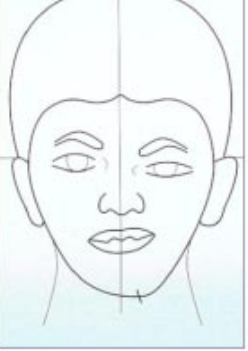
One side of your face looks wider than the other.Your eyes aren't on the same level — one sits slightly higher.When you smile, your teeth don't line up in the center. The midline is off.You thought it was just "how you're built." Bad genes. Something you'd have to live with.
But it's not genetic. It's structural.
And it has a name: Side-Bending Rotation (SBR).
What Side-Bending Rotation Actually Is
Here's what's happening inside your skull — in plain English:
Your skull isn't one solid bone. It's made of multiple bones that move. When you chew, breathe, sleep, or hold stress in your jaw, these bones shift. Over time, they can shift out of balance.
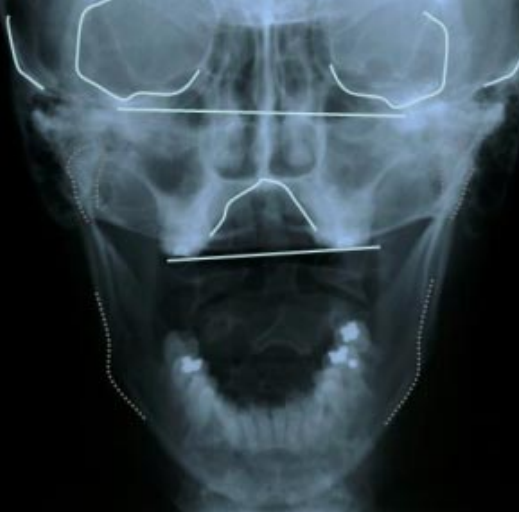
Side-Bending Rotation is when two key bones at the base of your skull — the sphenoid and occipital bones — do two things at once:
Think of it like this: your skull is doing a slow-motion twist and lean — at the same time. And your face follows.
What SBR Looks Like on Your Face
If you have Side-Bending Rotation, here's what you see in the mirror — and hate in photos:
This isn't vanity. This is biomechanics.
Why This Happens to You
Side-Bending Rotation doesn't happen overnight. It builds over years of:
Your ancestors didn't have this problem because they ate nutrient dense foods, moved naturally throughout the day, breathing properly and turning both sides of their neck. They didn't sit hunched over screens. Like a plastic bottle which hasn't been squeezed; Their skulls stayed big, wide and balanced. Yours didn't.
The Part No One Tells You
Here's what makes SBR tricky: it almost never shows up alone.
According to cranial structure research, Side-Bending Rotation is the most common distortion found in combination with other imbalances. Specifically, it usually comes paired with something called a "vertical strain" — where your skull is also compressed or elongated vertically.
Translation: your face isn't just twisted. It's twisted and compressed. Or twisted and elongated. That's why generic face yoga doesn't work.
You're not just toning muscles. You're dealing with a complex structural pattern that requires specific, targeted correction.
How SBR Is Different From Other Asymmetries
Not all crooked faces are the same. Here's how Side-Bending Rotation compares to the other main patterns:
If you've ever looked at your face and thought "everything feels off, not just one thing" — you're likely dealing with SBR.
Can You Fix It?
Here's the truth, plainly:
Your skull has more plasticity than you think. Even in your 40s and 50s. Small, intelligent movements — done consistently — can shift the pattern. But you need to know what you're working with first.
See Your Pattern. Then Fix It.
Most people have no idea they have Side-Bending Rotation. They just know "something's off."
They tilt their head in every photo to hide it. They avoid certain angles. They feel self-conscious but don't know why — and spend years trying solutions that don't address what's actually happening.
MoveBone shows you exactly what's happening.
Our facial scan analyzes your structure and identifies your specific asymmetry pattern — including SBR. You'll see which side is wider, where your eyes are misaligned, and how your dental midline has shifted. Then we give you a personalized plan to address it. Not generic exercises. Your pattern. Your correction path.
You're Imbalanced.
Patterns can be interrupted.
Disclaimer: MoveBone is an educational wellness app. This article is for informational purposes only and is not intended to diagnose, treat, or cure any medical condition. Always consult a qualified healthcare professional before beginning any exercise program.